Researchers and companies in Romania will be able to develop and test artificial intelligence solutions using the infrastructure and expertise provided through RO AI Factory. The project, for which ICI Bucharest serves as the Hosting Entity, aims to reduce barriers to accessing advanced computing resources, including for start-ups and small and medium-sized enterprises.
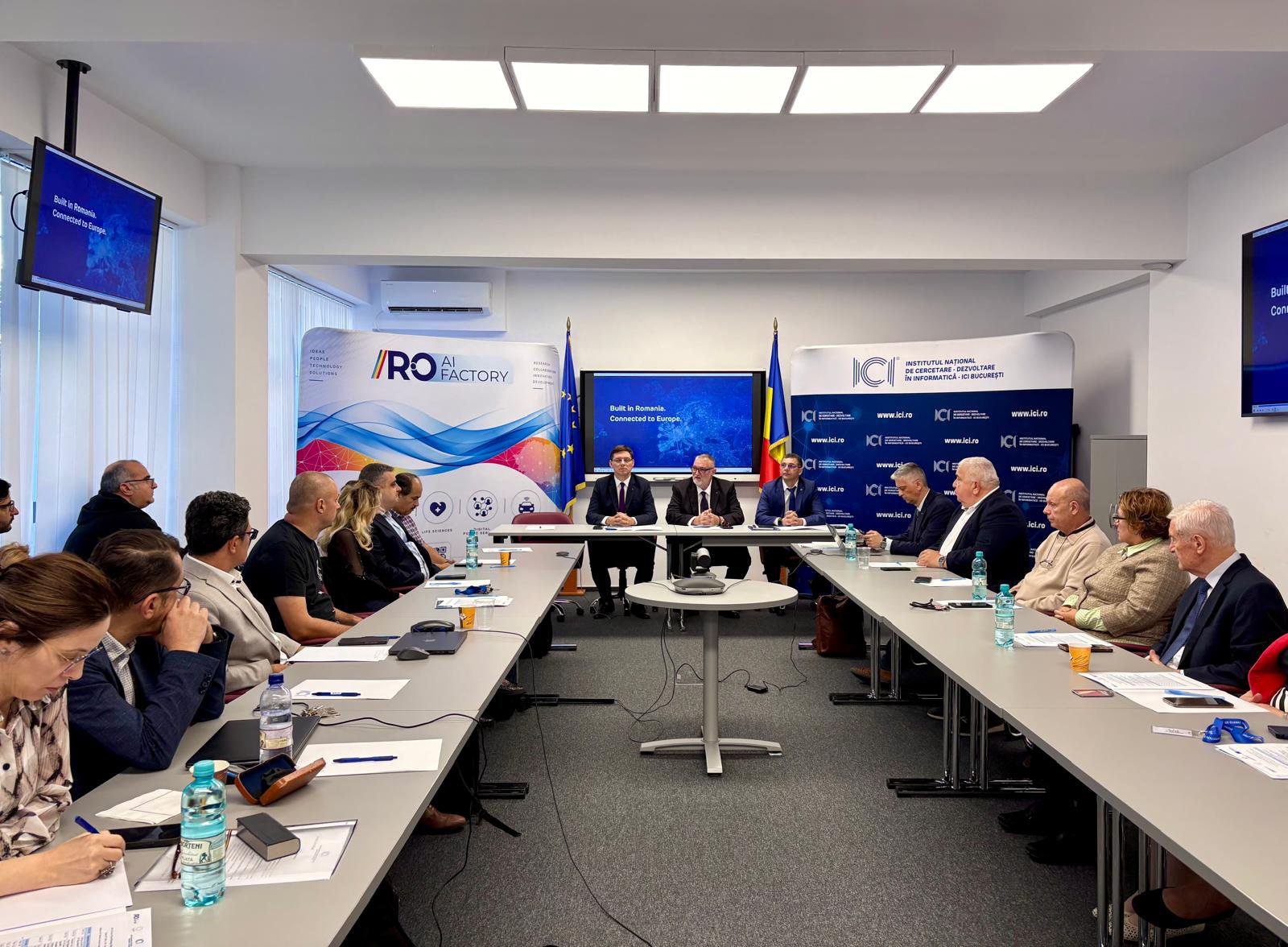
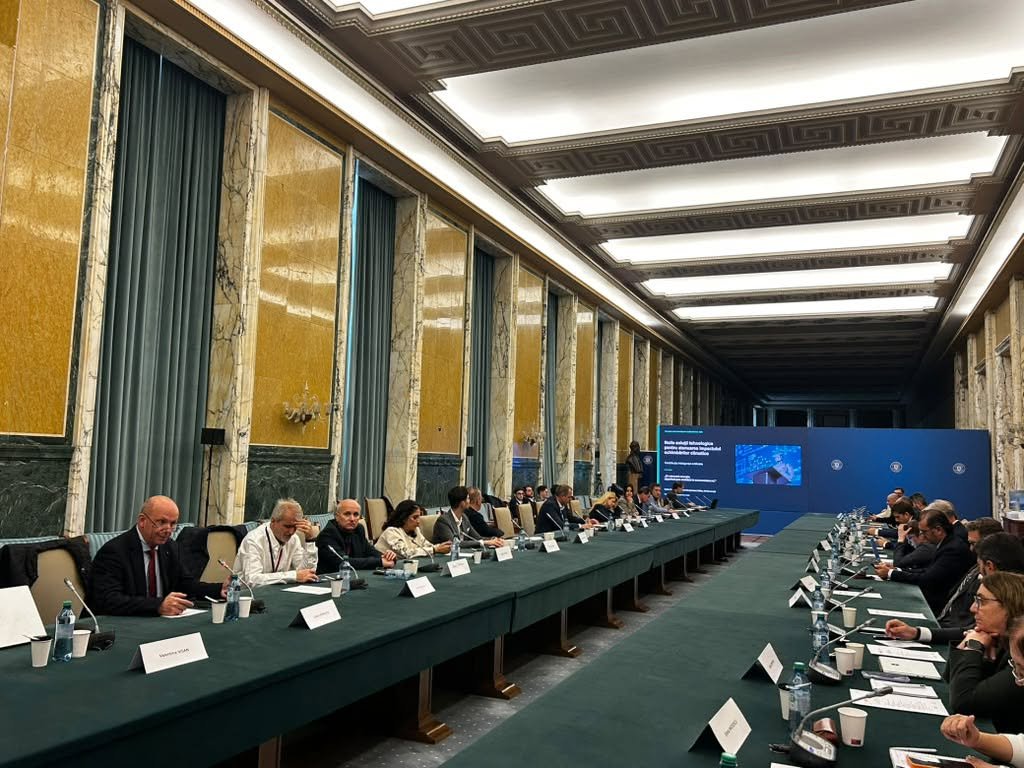
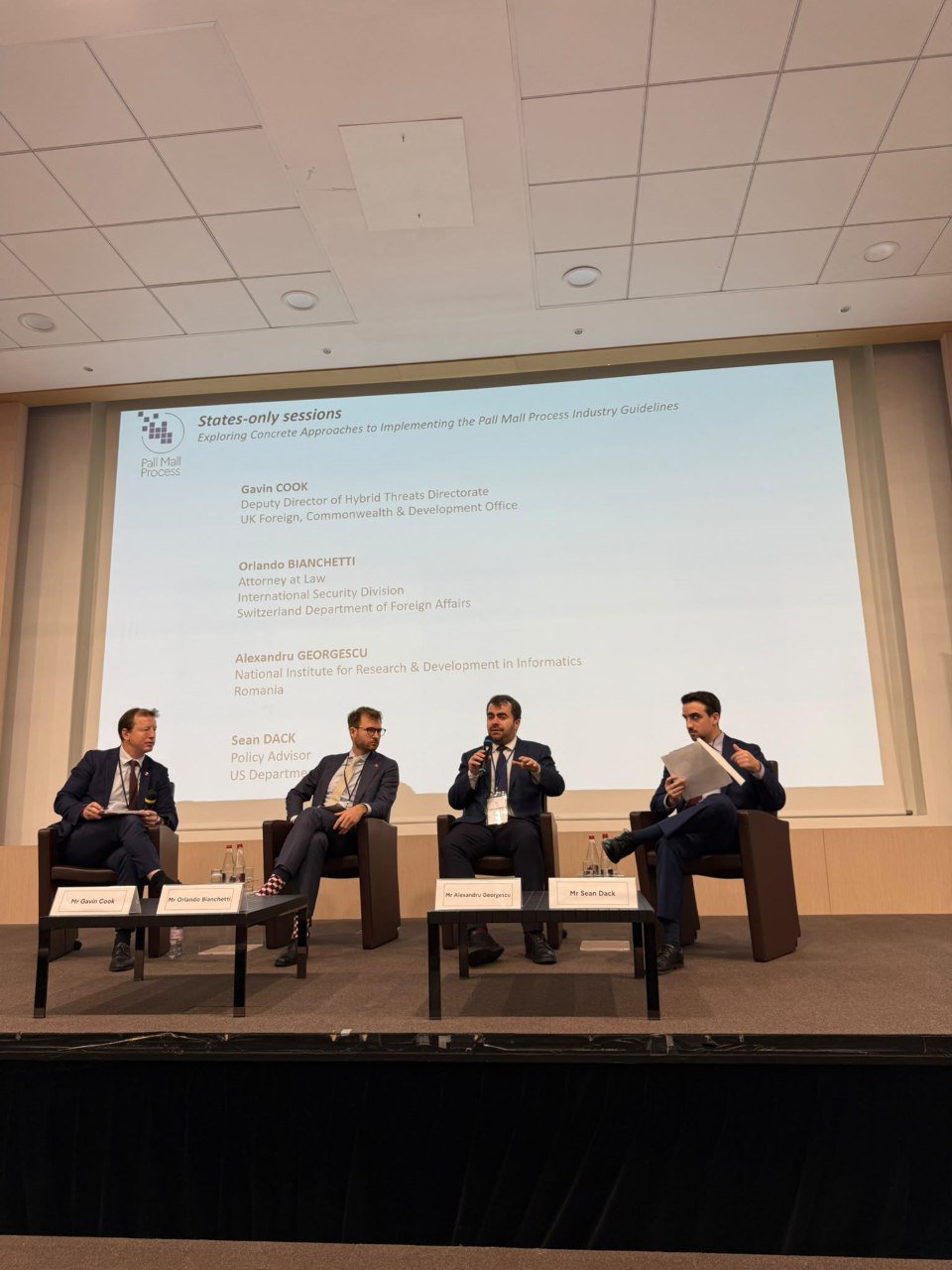
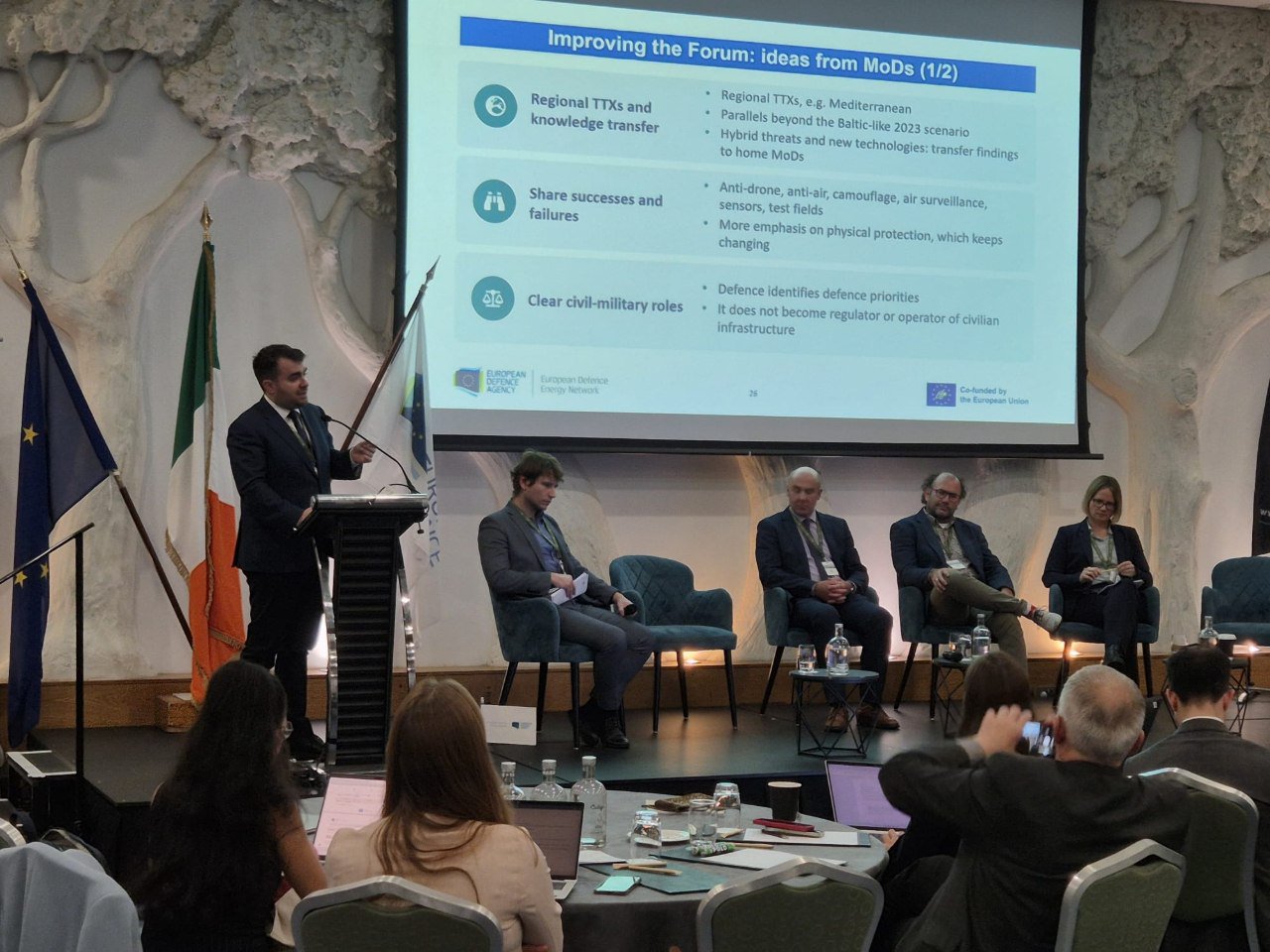
Project implementation was the focus of the “RO AI Factory Kick-off Meeting: Building Romania’s AI Ecosystem”, held on Monday, 5 October 2026, at ICI Bucharest’s headquarters. The event brought together consortium partners and representatives of national and European institutions to discuss the development of RO AI Factory and its integration into the European network of AI Factories.
“Romania cannot remain solely a consumer of artificial intelligence. We have specialists and research teams capable of developing solutions, but they also need the resources to work with. Through RO AI Factory, we will provide them with access to computing power and expert support. We want this infrastructure to be used, including by small companies, and to see research results applied in industry and public administration,” said Adrian-Victor Vevera, General Director of ICI Bucharest, at the opening of the event.
During the meeting, Victor Negrescu, Vice-President of the European Parliament, addressed Romania’s role in the European artificial intelligence ecosystem, while Daniel Surdu, Vice-President of the National Authority for Research, presented the national perspective on AI, research and advanced computing. Christos Datsikas, Programme Manager – Infrastructure, and Georgiana Glodeanu-Bosancian, Financial Officer, representing EuroHPC JU, joined online for the session dedicated to the European network of AI Factories.
Mihnea Moisescu spoke on behalf of the National University of Science and Technology POLITEHNICA Bucharest during the session on moving from the project proposal to implementation.
The meeting continued with a consortium working session focused on project coordination, user services, secure data access and the responsible development of artificial intelligence. Partners also discussed training programmes, collaborative spaces and connections with European and national initiatives.
Alongside computing power, future users will benefit from tools for developing AI models, technical support and training programmes. These services will be available to research teams, universities, start-ups, SMEs and public institutions that need resources to develop, test and validate artificial intelligence solutions.
The project will focus on five areas: manufacturing and industry, cybersecurity, life sciences, digital public services and autonomous systems. Access to infrastructure and expertise will support both research in these fields and the development of applications for the economy and public administration.